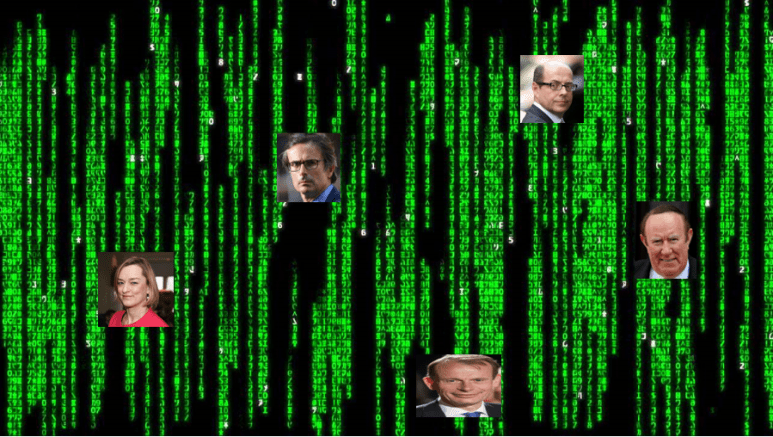
Exclusive research from The Free Press reveals that the top 100 UK journalists are deeply embedded in the British Establishment, with family ties, private education, Oxbridge attendance and six-figure salaries elevating them far above the UK average.
The Queen – universally admired by corporate media flatterers of the court
“Please take this moment to study, really study, the journalists working for the BBC, ITV and Ch4. Do they seem like fearless, independent, objective observers of the world, or more like fawning courtiers? This is the moment when the mask slips. Drink it in deeply.”
Former Guardian journalist, Jonathan Cook (@Jonathan_K_Cook), tweeted the above shortly after the death of the Queen. The airwaves and big media news pages were already awash with comically one-dimensional coverage.
Would a truly free press greet the death of someone appointed head of state by birth-right, granted ludicrous titles like “Her Majesty” and wealth the rest of us can only dream of (some of it used to pay a seven-figure settlement in a sex case brought against her son), with on-their-knees adulation? In the 21st century?
* Update – a few days after this article was published the BBC confirmed Chris Mason as the new political editor. Check out our Matrix Database entry for Mason here to seewhich characteristics he has in common with his predecessors.
The BBC are apparently struggling to fill their flagship role of political editor. Laura Kuenssberg is leaving the position this month, after years of reading out text messages from Dominic Cummings – sorry, years of impartial reporting – and, according to the Guardian, BBC bigwigs have been “unhappy with the choice of candidates” put forward to replace her. They have “began inviting fresh applications for the job.”
What kind of characteristics are BBC executives looking for? Perhaps you’re wondering whether you have what it takes to “immediately become one of the most influential and scrutinised journalists in the country”?
With the help of our Matrix Database, which documents conflicts of interest among high-profile journalists, we take a look at the previous incumbents of the role to see what “attributes” they have in common…
The Matrix Database is an effort to document personal factors that undermine powerful journalists’ claims of objectivity and impartiality. We are on the lookout for significant conflicts of interest and likely causes of bias/imbalance along the most high-profile political and opinion journalists in the UK – and we’ve found plenty!
We have now completed the entries for the “top 20” UK journalists (ranked by Twitter following). Our results for the “top 20” are as follows:
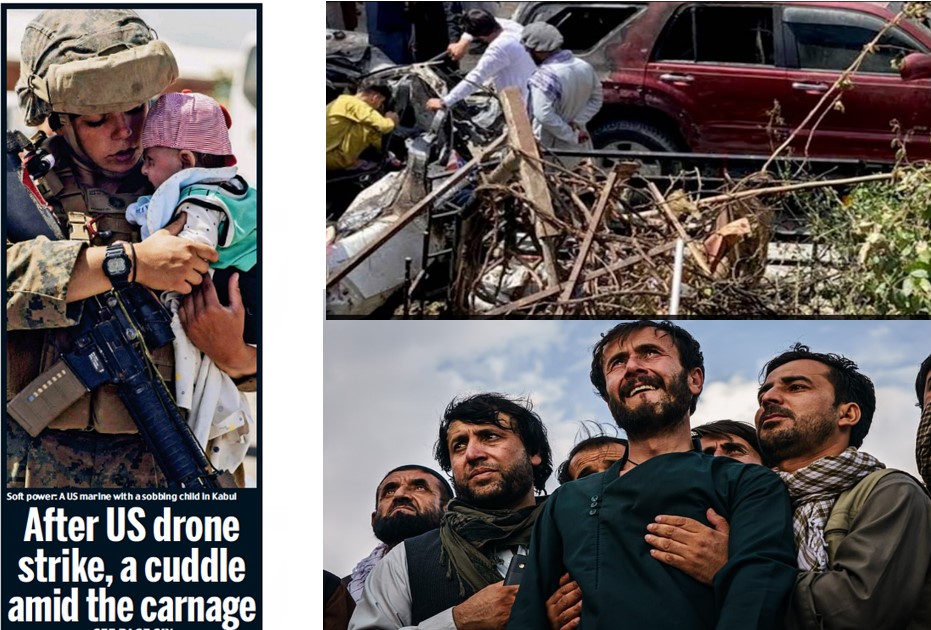
Picture the scene: August 29th, Kabul. Ezmarai Ahmadi, an engineer for an NGO, returns home from work. His children and nephews, excited by his return, pour out of the house to greet him and to play inside the car. Moments later a high-powered missile, fired from an unmanned United States drone, strikes the car. Ahmadi is killed, along with seven children and two other adults.
How would a free press report such an atrocity? The Daily Mail, card carrying member of the UK corporate media, quickly showed how they wouldn’t. “A cuddle amidst the carnage” declared their 30th August front page beneath a picture of a US Military servicewoman cradling an Afghan child.
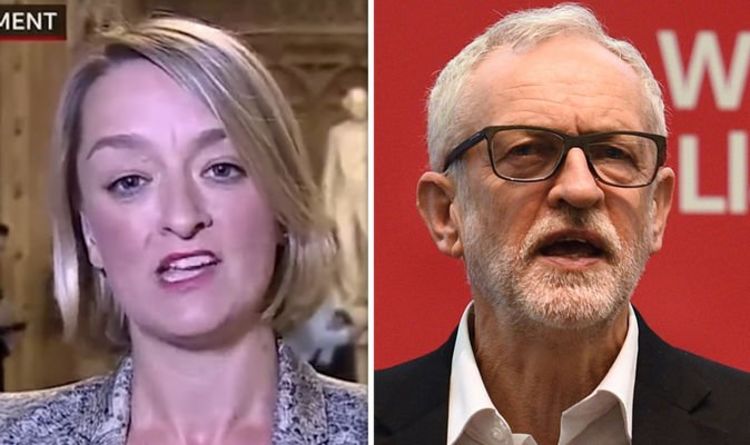
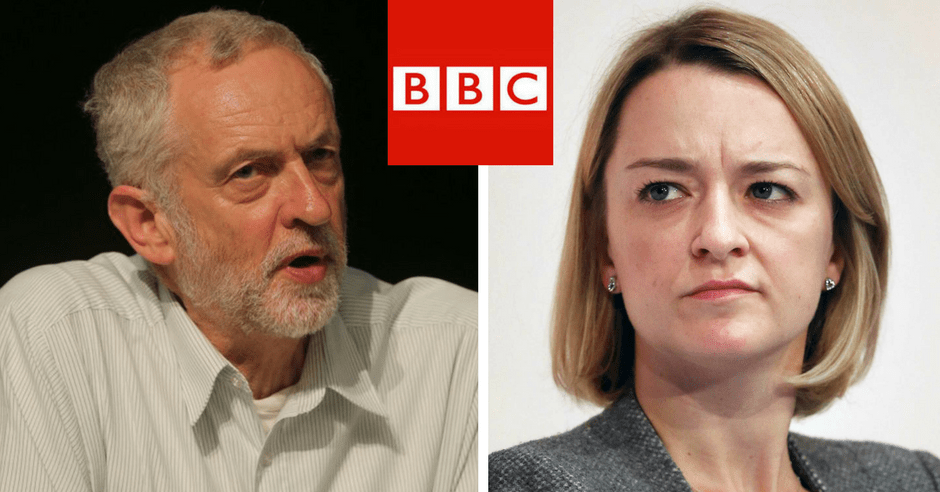
It is now over seven months since we complained to the BBC about Laura Kuenssberg’s appalling coverage of Keir Starmer’s decision to deny the parliamentary whip to Jeremy Corbyn (News at Ten, 17/11/2020).
The BBC’s initial reply referred to a different article to the one we’d complained about (!!) and flatly denied Laura Kuenssberg had stated “When the (EHRC) report came out, Mr Corbyn said it had been exaggerated.”
We replied with a link to the correct article, attributed to Laura Kuenssberg, which unequivocally states “When the report came out, Mr Corbyn suggested it had all been exaggerated.” (underline shows that what Laura K said was even worse than what the BBC denied she’d said!)
We then heard nothing from the BBC for…3 months. When we chased them we were told they “hadn’t received” our response and were sent two further letters blaming a subsequent delay in responding on Covid.
We thought we’d update you on what has happened since and our escalation of the complaint. Full transparency and social media support for the complaint can only help so we’d appreciate any shares of this article – especially on social media with @BBCNEWS tagged in!
We all know that January can be a tough month: post-Christmas blues, dark nights, depleted bank balances.
Spare a thought, then, for Toby Young and the group of right-wing, pseudo-intellectual shills he identifies as his “fellow lockdown sceptics…Allison Pearson, Julia Hartley-Brewer, Peter Hitchens and Lawrence Fox.”
Young and co. entered this challenging period trying to digest three almighty receipts: years of “libertarian” support for Donald Trump culminating in a deadly, anti-democratic assault on the US Capitol Building, Brexit posturing resulting in a trade deal as sweet as a lorryful of dead fish, and months of Covid-related scepticism coming back to bite them via 60,000 cases a day, a new variant and record UK death tallies.
We write to complain about a piece BBC political editor Laura Kuennsberg delivered on BBC News at Ten on 17/11/2020. The subject of the piece was Keir Starmer’s decision to deny the parliamentary whip to Jeremy Corbyn and also appeared on the BBC website in article form – https://www.bbc.co.uk/news/uk-politics-54996354
We believe Ms Kuennsberg’s piece was heavily skewed and violated impartiality guidelines.
“Don’t worry about your A-levels, I don’t have any. Do what I did instead and spend £676,000 in a nationwide referendum.”
So said the Twitter account of Darren Grimes on the day the English exam results were released. The tweet alludes to his origin story: the fashion student plucked from obscurity to face charges of electoral fraud after £675,000 of Brexit campaign money avoided a funding cap by being channelled through Grimes’ BeLeave organisation.






 The Free Press?